Aviation Switching Module – NSN 4920-01-250-2696 (AS-IS / Untested): Specialized Aircraft Test and Control Hardware
Aviation Switching Module – NSN 4920-01-250-2696 (AS-IS / Untested): Specialized Aircraft Test and Control Hardware
Blog Article
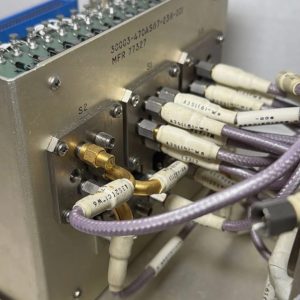
The Aviation Switching Module – NSN 4920-01-250-2696 (AS-IS / Untested) provides aviation maintenance organizations, military-surplus buyers, aerospace technicians, equipment restorers, and collectors with access to a catalog-identified switching component whose operational status has not been confirmed.
An Aircraft Switching Module may interact with test equipment, aircraft systems, electrical circuits, or support hardware, while an Aerospace Switching Module should not be energized without suitable technical information.
Whether buyers search for an Aircraft Electrical Switching Module, Aviation Electrical Control Module, Aircraft Power Switching Module, Aerospace Electrical Control Unit, or Aircraft Signal Switching Module, technical identification should guide the purchase.
The Aviation Control Module, Aircraft Switching Unit, Aerospace Power Distribution Module, Aircraft Electrical Control Unit, Aviation Power Control Module, Aircraft Electronic Switching System, Aerospace Switching Unit, and Aircraft Electrical Module keywords describe a broad aerospace-electrical product category.
Why NSN Verification Matters
The seller should provide clear photographs of every label, marking, connector, switch, control, mounting point, enclosure surface, and included accessory.
Complete identification increases the value of the Aviation Switching Module for restoration, research, inventory management, or component evaluation.
Buying an Untested Aviation Module
Internal faults, missing components, damaged wiring, corrosion, previous modification, storage deterioration, or electrical failure may be present even when the exterior appears clean.
A current-limited and controlled test setup may be appropriate when selected by qualified personnel.
Choosing an Aircraft Switching Module
The product page should avoid assigning a cockpit, power-distribution, test-set, or mission-system function without evidence.
Each visible feature should be photographed and described without assuming its electrical purpose.
Inspecting Aerospace Electrical Hardware
An Aerospace Switching Module may use a durable enclosure, secure connectors, internal wiring, switches, relays, terminal assemblies, circuit boards, or other configuration-specific components.
Connectors should be examined for bent pins, pushed-back contacts, corrosion, contamination, cracked inserts, damaged threads, broken keyways, missing caps, and impact marks.
Inspecting Aviation Module Wiring
A qualified technician should determine whether additional internal inspection is justified.
Loose wires, nonstandard components, replaced relays, cut conductors, or evidence of field repair should be recorded.
Choosing an Aviation Electrical Control Module
Similar-looking modules may use completely different pin assignments and operating voltages.
High-resolution photographs can preserve readable details before cleaning or restoration.
Power Switching Module Inspection
Controlled bench evaluation should be completed by personnel familiar with aerospace electrical hardware.
Any successful limited test should be documented precisely without changing the overall status beyond what was actually verified.
Electrical Control Unit Restoration
The repair process should preserve original markings and configuration whenever practical.
Every repair should be photographed and recorded if the module is restored.
Signal Switching Module Inspection
An Aircraft Signal Switching Module may route low-level, control, communication, measurement, or test signals between compatible equipment channels.
The module should not be modified with unshielded wiring or improvised connectors solely for convenience.
Control Module Compatibility Review
Buyers should determine whether they need a direct replacement, restoration item, training aid, or parts source.
Inspection tags, modification plates, repair labels, and revision marks can provide important information.
Restoring Aviation Switching Hardware
The unit can provide parts, reference information, display value, training opportunities, or a candidate for professional restoration.
Training use should avoid destructive modifications when the component has collectible or restoration value.
Aerospace Circuit Management
An Aerospace Power Distribution Module generally manages or routes electrical power among compatible circuits, although the exact function of this NSN should not be assumed without supporting information.
The original installation orientation should be researched where possible.
Control Unit Connector and Switch Review
The unit should be photographed before and after any preservation work.
Testing results should identify exactly which switches, contacts, indicators, or circuits were evaluated.
Inspecting a Power Control Module
Broad market keywords can support discovery while the technical description remains precise.
Warning labels should remain visible and legible.
Electronic Switching Module Applications
A systems approach supports more accurate troubleshooting and restoration.
Professional analysis supports responsible Aircraft Electronic Switching System maintenance.
Protecting an Aerospace Switching Unit
Desiccant or moisture-control materials should not contact electrical components directly unless appropriate.
Loose accessories should be here wrapped separately and inventoried before packaging.
Commercial Inspection of an Electrical Module
A buyer seeking an operational replacement has different needs from a collector, technical school, parts dealer, or restoration specialist.
Images should show labels, switches, connectors, enclosure surfaces, mounting points, fasteners, seals, internal areas if opened professionally, and included accessories.
Inspecting the Aviation Switching Module Before Purchase
A pre-purchase review should confirm the NSN, manufacturer, part number, serial number, markings, enclosure condition, connectors, switches, included accessories, storage history, modification status, and known application.
- Request photographs of all labels, switches, controls, connectors, mounting points, enclosure surfaces, seals, fasteners, and included accessories.
- Do not interpret clean appearance, smooth switch movement, or intact labels as proof of electrical operation.
- Inspect and photograph the module immediately after delivery before cleaning, opening, powering, wiring, modifying, or removing components.
Professional Bench Evaluation
Every connection should be documented before power is applied.
Partial operation should not be presented as complete certification, calibration, or airworthiness.
Repairing Legacy Aviation Control Hardware
Professional restoration can improve the usability and value of the Aerospace Switching Module.
The final product status should describe only the functions that were evaluated successfully.
Buying NSN 4920-01-250-2696
For the right purchaser, the unit can offer a useful foundation for technical research, controlled troubleshooting, component recovery, or legacy-equipment restoration.
The strongest buying decision begins with confirming the NSN, manufacturer, part number, serial number, configuration, connector layout, condition, storage history, modification status, included equipment, and intended use.
Whether buyers need an Aircraft Power Switching Module, Aerospace Electrical Control Unit, Aircraft Signal Switching Module, or Aviation Control Module, electrical specifications should be verified before testing.
With prompt attention to switches, connectors, wiring, enclosure condition, corrosion, labels, and internal components, the module can preserve its technical and commercial potential.
Report this page